A CIA visit to Havana, the indictment of the tyrant Raúl Castro, and then…no escalation. I really hope this approach is a facade masquerading as the real intentions to take definitive action against the Cuban regime.
Let’s look inside Cuba to understand the implications of waiting for the regime to collapse as a result of sanctions.
The people in Cuba are a hundred feet underwater and gasping for air right now. Let us pause to clarify that their situation is not the result of Trump’s sanctions in place since only a few months ago, but the consequence of a failed, corrupt, and illegitimate government.
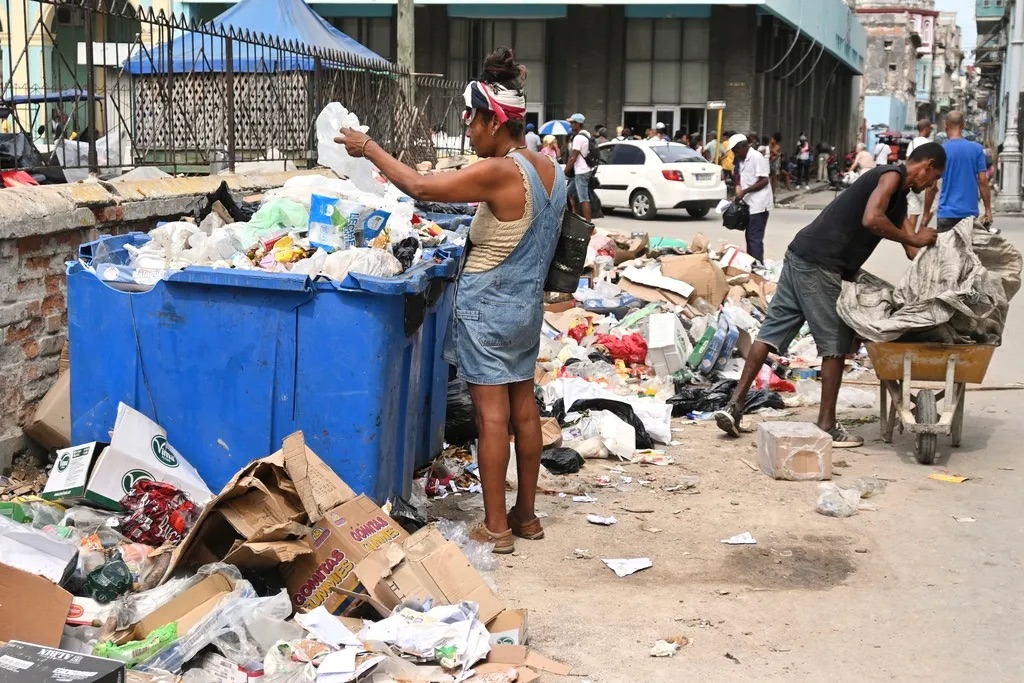
Nonetheless, Cuba’s reality is devastating. Take a moment and imagine yourself in this situation. You have potable water coming out of your faucet for only two hours, three times a week. You have electricity for two hours a day. Your paycheck is six dollars a month, which is only enough to buy either a liter of cooking oil or a carton of eggs, and maybe enough to pay your electricity bill, which you still get even though you have no service. You live in a building that’s collapsing due to architectural decay. You have one daughter in the US who buys overpriced food for you with what she has left after paying for her own bills. But you recall your neighbor is not so lucky. He doesn’t have anyone abroad; he doesn’t really have anyone. Sometimes you don’t even know if he’s dead or alive; he barely stands. One day, you wake up soaked in sweat, as usual, and feel a weird smell coming from next door, the smell of death. You alert the other neighbors; a doctor shows up and dictates the time of death. You help your neighbors transport the body in a handmade pushcart because there are no cars available for funerary services, although there are plenty of police cars always ready to repress the people.
It’s time for you to take a bath using a bucket and a jar to pour a limited amount of water over you. Alone in the cracked, moldy shower floor, you cry in agony and frustration. You look around, and the old, split-open bathroom walls resemble what’s become of your soul after sixty-seven years of living the same chaotic, miserable life. You decide it’s enough. You get dressed and take it to the streets with the only weapon you can possibly have after 1959, a cooking pot and a spoon. You protest for your right to get a dignified life, but your claim gets squeezed under the military boots of dictatorial oppression, and you end up your final years in a jail cell that stinks of torture and death.
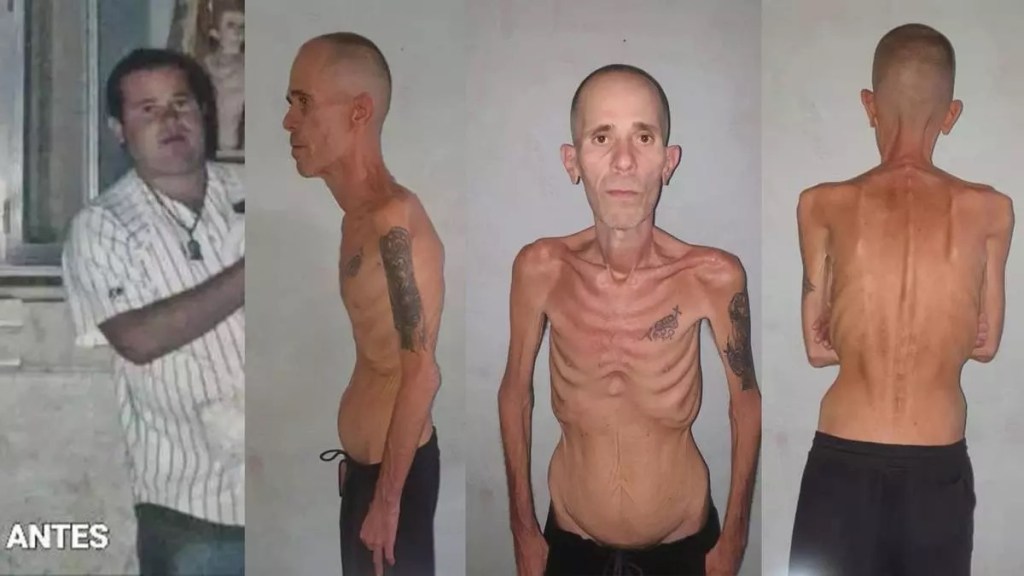
That’s the reality that Cubans face every day: circular, repetitive, agonizing, exhausting. It’s not a fiction novel, it’s not a story to scare the kids; it’s the actual life of millions of people, and they have lived it for decades. And yet, that’s a mild scenario compared to what people in mental institutions, political prisoners, or hospitalized people suffer. The no-escalation approach means that many more days to come will look like the one I just narrated for you, or worse. The sanctions against the regime are a strong strategy to eventually suffocate them into submission. However, the people who are already gasping for air, the common Cubans, know that sanctions are a way to extend their agony. They know the US has no obligation to be their savior, but they surely hope so. Under the tyrannical regime, Cubans have no sovereignty and zero rights; they are not people who choose to live like that, they are HOSTAGES of a murderous regime. They have no legal or institutional protections; they live on a jailhouse island while the “big brother” allows them to breathe. Their only hope is for the Trump administration to act swiftly and firmly to get rid of the parasitical tyranny that oppresses them, like the hand you see coming to the rescue when you are a hundred feet under water and gasping for air.
The no-escalation approach is exactly what the tyrants are aiming for. Yes, the sanctions incapacitate them from growing their wealth, but they still get to keep their money and their power, which is all that matters to them. Their lives are not drastically disrupted since they have 18 billion dollars in assets. They’ll keep playing everyone to gain time. They’ll implement economic reforms to survive. They’ll continue their historic “blaming the US” rhetoric for another two and a half years until Trump is no longer in the White House. They’ll strengthen their partnership with the Democratic Party in the US to implement all sorts of disruptive strategies and influence the next federal elections in the Democrats’ favor. And when either the political tide changes or tensions relax, and Cuba is no longer in US headlines, they’ll make their move. And the people who have been under a hundred feet of water will continue to gasp for air, the ones who survive anyway.
These are not desirable scenarios for the Cuban-American Republican voters. For those who haven’t been able to bring their loved ones to the US, their families’ suffering is their own suffering. None of them has been so close to seeing the agony of their loved ones coming to an end. They know it is better not to risk giving the enemy time to strategize or regroup. They know the enemy! And they know the no-escalation approach puts at risk achieving the now so close demise of those at fault for them having to flee their country in the first place and for the endless agony of their families.
Giving time to the Cuban regime while avoiding escalation can be dangerous. It’s devastating for the Cubans inside the island; it would be very disappointing for Cuban-Americans if the imminent liberation of Cuba fails due to a no-escalation approach, and it keeps the western hemisphere at risk of destabilization (referenced in a previous article) as a result of communist takeover. Look at the recent events in Bolivia, a coincidence? I don’t think so. Viva Cuba Libre! God bless America!
Yara
 ThisTime
A thank you for your thoughts!